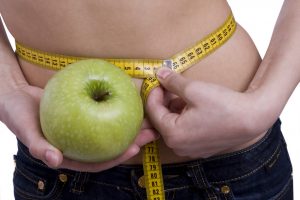
10 Dining out tips for losing weight

November 13, 2011 by  
Filed under weight loss tips

Eating out is unavoidable but this should not impact your weight loss efforts.  There are little things that make a big difference when eating out and if you manage to follow our weight loss tips correctly, you can enjoy your next meal without feeling guilty and more importantly without breaking your weight loss plan.


10 Dining out tips for losing weight

Dining out weight loss tips

Tip 1: Select a good restaurant

A ‘good restaurant’ in our context is one that:

Serves a variety of menu dishes (not buffet) including fish and salads

Displays nutritional information for each meal

Has a good reputation for serving fresh food

Tip 2: Decide in advance what to eat

It is better not to go to the restaurant with an empty stomach and it is advisable that you know in advance what to eat. Before leaving home do your research by visiting the web site of the restaurant and make your decisions.

Tip 3: Choose your meals wisely

Eating out once in a while will not destroy your weight loss efforts but it is better to make smart food choices so that the impact is limited to none. As a rule of thumb try to order ‘Mediterranean style’ dishes such as fish, poultry, salads, legumes and whole grains. If this is not possible then give preference to the following dishes:

Steak – remove the fat and eat only the lean part (no sauces or gravy)

Chinese – prefer dishes that have lots of vegetables and avoid eggs as well as sweet and sour sauces. Go for steam rice instead of fried and try to avoid oil as much as possible.

Italian – Pasta with red sauce is a great choice. Carbonara and other cream sauces better be avoided.

Pizza – Vegetarian pizzas or margarita are better.

Mexican – Spicy foods are good for weight loss since they help metabolism. You can order chicken fajitas with vegetables and rice instead of chips. Minimize though the consumption or sour cream.

Tip 4: Drink Water or wine with your food

Soft and alcoholic drinks are full of calories and sugars. You can enjoy your meal with a class of red wine or water. It’s also ok to order a zero (light) soft drink. Also try to avoid fresh fruit juices and cocktails.

Tip 5: Eat an appetizer

It’s a good idea to eat an appetizer before your main meal. This will cut down your hunger and save you many calories. When choosing an appetizer avoid creamy food, cheese (for example nachos), sauces (for example chicken wings with barbecued sauce) and prefer: Salads (for example a small green salad), seafood (smoked salmon is a great choice), soups and vegetables. Have in mind that avocado which is used very often as an appetizer has a lot of fat and calories. (Hint: You can use our free calorie counter to see the nutritional information for each food)

Tip 6: What about side dishes?

Restaurants have many choices for a side dish. You can safely choose steamed or boiled vegetables, baked potato (without butter, cheese or sauces), rice, noodles or even seafood. Potato chips, salads with dressings, fried food is not recommended.

Tip 7: Eating slowly does matter

One of the little things that do play a role is eating slowly and chewing your food very well. When eating slowly you give enough time to the brain to get the ‘signal’ from the stomach that it is full and thus avoiding the consumption of extra and unnecessary calories. Also by chewing your food very well you make the digestion process faster and easier for the stomach. Take your time, talk with your friends, drink your water or wine and enjoy your dinner.

Tip 8: Size does matter

The size of the portion does matter. Restaurants usually have big plates and this makes the food quantity look small but in reality this is not the case. Do not judge the size of the portion from the plate size but during your meal try to stop when you are feeling full. Do not get carried away by what your friends may be doing or eating and make sure that you leave space for a desert as well.

Tip 9: Deserts

Deserts don’t have to be full of fats and sugars to be tasteful. You can still enjoy a fresh fruit salad, a low-fat yogurt or a lemon pie for a desert and be happy. It’s ok to have a small ball of vanilla ice cream but as a rule of thumb try not to eat chocolate cakes, cookies and creamy deserts.

Tip 10: Enjoy your meal without feeling guilty

Even if you eat more than expected it is not the end of the World. Do not feel guilty about it, try to enjoy your meal and try to be better next time. What is important though is to take corrective actions. If for example you eat a few calories more then try to burn those calories the next day by walking, running or using other forms of exercise. You need to keep a balance so that you are happy and satisfied. If you made a mistake during your meal then you need to correct your mistake by doing something more during your exercise sessions.

Lose weight with the combination diet

October 18, 2011 by  
Filed under Diet

When I was writing the ‘Combination Diet’ book someone asked me if writing a diet book was a wise decision. Their argument was that there are so many diet books out there written by big ‘celebrity status’ names and so called diet gurus, backed up by big companies and advertising campaigns. So they quite rightly asked ‘What makes you think that your book can compete with all these?’

I say a fair enough question and here is my answer. First I am not writing a book to compete with anybody. Secondly if all the weight problems were solved and covered by all these books and diets then why is obesity reaching epidemic levels? From my experience so far I can say that there is a considerable amount of people visiting weight loss websites every day and they all are looking for the same thing; a weight loss solution.

Will the combination diet be the answer to all weight problems?

The Combination DietTo put it quite simply, No it will not. Each and every one of us is a unique oddity and we can’t believe that one simple thing will suit each and every one of the few trillion of us around the world. Yes there is such a thing as optimum nutrition or the best recommended diet pattern but let’s be totally honest it is not for everybody. There will always be an ‘X’ diet which works for ‘Z’ amount people and an ‘A’ diet which will suit ‘B’ amount of people.

Dieting is a personal thing; we all have different tastes, different lifestyles, different metabolism, different habits and preferences. To try and fit everybody in one box will be like setting up our self to fail.

What does the Combination Diet has to offer then?

Through our experience in the weight loss field, (the team who some of you may already know through the weight loss articles) we have seen that people are looking for answers. We gathered this experience and all the information you all have passed to us through the time with your contact, comments and questions and we decided to put the ‘Combination Diet’ together. So basically the project was inspired by what people have showed us they want and need. 

Why that diet regime? We looked at our scientific knowledge and we looked at what science says and we put together a healthy, balanced diet which aims to return weight loss results. Our no 1 goal was weight loss and our no 2 goal was health. Our philosophy was try to provide people with a solution which will be easy, practical and above all healthy. As you may know there are numerous ways and diets you can go about losing weight but there are not always healthy.

From the above, and to quote my own self, we thought that not everybody is the same and so the ‘Combination Diet’ had to offer flexibility. Indeed flexibility in terms of food choices and calories to be consumed is the no1 philosophy of the diet.

What else is different?

Weight loss is not always an easy job, as some of you may know. We did not want to just sell a diet to people but put together a lifelong solution. Therefore, we have created the ‘combination diet’ package. The book itself is packed with tips and guidance for every step of dieting whether being with following the ‘combination’ regime or whether being making a lifestyle change, or following any weight loss regime. In addition, we have added an exercise section to further help you tackle and improve abdominal condition.

But it doesn’t stop there…there is actually more added on to it. With buying the combination diet you are actually buying to a membership which entitles you to online services such as calorie counter, food and activities diaries and support from our experts. In other words you are not alone. We are there to guide you and help you in your weight loss steps. Our aim is to continuously update the members’ site with tips, menus, recipes and with whatever else you tell us you need.

More on the diet.

I was looking at the diet 2 days ago with one of my colleagues and I simply said tell me any comments. After going through the diet she said to me I could never eat tuna for breakfast, I would be sick, I don’t like salmon and I think I could only eat eggs for a couple of days. My response to her was ‘What do you like to eat?’ It turns out that she can only eat porridge and although she wants to lose her belly ready for the Christmas period she couldn’t give up her porridge.

I bring this example as I am sure a lot of people may think along similar ways. I would never in a million years want to create a diet which would be a torture for people. This is one main reason why the diet had to be flexible. The diet offers lists of menus for main meals and additional choices which you can combine with your main meals. In that respect you can chose what you want to eat, when you want to eat it and how much you want to eat. There will be choices which you don’t like at all, well then you don’t have to eat them.

The nutritional and calorie information which come with all the choices will further help you to set your own calorie range to follow every day. There is a step by step guide to help you determine how to set your own calorie range depending on how much weight you want to lose. Are you having difficulty to decide how or what to do, then ask us and we will help you.

To go back to my colleagues comments I have added a few weight loss tips to further take with you with the ‘Combination Diet’.

        Tip1.   You do not have to be rigid in following the combination diet. The menus provided are a guide. For some people the choices may suit them just fine for others it may not be all to their taste and preference.

        Tip2.   If the above is the case then make a list of the foods which is no absolute way that you can give up. For Stella it was porridge for breakfast, for you it may be something else. Once you done the list go through it and try to think if you can give it up for a few days, not at all, or if they could comfortably go to a ‘once a week’ category.

        Tip3.   Be realistic with your list. Well if your list includes I can’t give up on chips and pizza, be realistic that this kind of food will not lead to weight loss if eaten every day unless you starve all day just to have chips and pizza for dinner. Well that is unrealistic and unhealthy. If you are willing to eat chips and pizza once a week then this is more realistic and possible.

        Tip4.   Put foods which you can’t stop eating in small portions (bag or container etc). For example: Is it chocolate your biggest weakness? Cut the chocolate in small portions and store it in separate bags. Make an agreement with yourself as to when you will eat a portion of chocolate and stick to it. The agreement could be I will eat one portion a day, or I will eat it only when my friend come around for coffee, it can be as specific or as general as it suits you. Make sure you calculate the calories of a portion of the food of your choice and add it to your daily calorie intake.

        Tip5.   If you are like Stella and you can only have one thing for breakfast then don’t torture yourself trying to give it up. Try to make it as healthy as possible. In the case of Stella I would say that porridge can be high in sugars especially when adding syrup, sugar, jam etc for taste. Avoid the syrup and add a handful of nuts. Nuts can keep you feeling full for longer so you will not be getting the sugar cravings mid day. Or make sure you have a nice protein based snack or nuts if you do feel the mid day cravings. Use our food finder to calculate how many calories are in porridge and add it up. Adapt the diet to your needs and not your needs to the diet.

        Tip6.   Follow the principles of the diet for any other food changes. For example if you don’t like chicken and you prefer turkey then make sure you grill it and not fry it and again use the food finder in the site to find how many calories that food has.

        Tip7.   Be realistic with your weight loss goals and the diet results. Well is needless to say that if you do chose to have a small portion of chips with your dinner every day, because you cannot live without chips then you will also need to be more linear with your expectation. It could mean that losing that extra pound it may take a little bit longer. At the end of the day you will not be losing loads of weight by eating chips. The idea is that if keeping the chips will mean sticking to a diet then that is better than not losing weight at all or resulting to extreme and possibly unhealthy option (i.e. tape warms).

The Combination Diet Click here to find out more details about The Combination diet benefits for weight loss.


Article by H. Hagikalfa. Hara is also the writer of “The combination diet for abdominal fat”.

Easy tips to cut 200 calories per day from your diet

August 14, 2011 by  
Filed under Diet

There is often a misconception that if someone wants to lose weight they have to go on a diet. This usually translates in people’s minds with following a specific popular weight loss diet regime, usually a quite rigid one. It does kind of make sense as it is the way people eat which is most likely the reason they put on weight. I will always preach in favour of following a healthy balanced diet, however, you don’t always need to ‘go’ on a diet or follow a specific diet, or even radically change all your eating habits.

There are loads of little ways by which people can cut the calories down without a radical diet makeover and still lose weight. Read on these weight loss tips on how this is possible.

1. Tackle the portion size.

The simplest way to cut down on the calories is to reduce the size of the meal portion. What the meal contains will make a difference for both health and weight; however if your diet is more or less healthy and balanced or if you are really determined that you don’t want to change what you eat, then go for portion size. This does not mean starve yourself by all means or skip meals. If you were going to have a burger and chips have a small burger and half of the amount of chips you would usually eat.

A personal friend who tends to follow this tip always suggests using smaller size dinner plates and only just about fill them, without going for multiple layers. Well think about the psychological aspect:

a)      If you have an extra large plate and ½ of it is empty you may process this as not enough food or be tempted to fill it.

b)      If you have a medium sized dinner plate and is full psychologically you could think that this is enough food.

Often when we feel hungry we can overload our plates and eat beyond the point of satiety. Think how many calories you can save if you cut the portion size of every meal…

2.  Cut down on fizzy and sugary drinks

Calories from fizzy and sugary drinks are the one’s which tend to go unaccounted for. Possibly because people don’t tend to think that a glass or two of fizz could tip the scales over.

Well a small size cup (16 fl oz/ 345 g) of the classic coca cola* from burger king contains as much as 150 kcal. The glass that you may consume at home is not that far off on the calories. How many of those do you usually consume per day? Do the maths to see how many calories you could avoid. Stick to only 1 or 2 glasses a day or opt for sugar free or low calorie ones. However, be aware that some artificial sweeteners commonly used in fizzy drinks have been questioned regarding the health risks they may carry if over consumed.

Like the fizzy drinks, a lot of the pre-packed fruit juices and fruit drinks can also be as calorific. For example 1 can (12 fl oz / 436 g) of breakfast type orange drink with juice can contain as much as 665 kcal. Having second thoughts about that glass you had for breakfast?

You can use our free calorie counter to track down the calories each food, drink and activity has.

 3. Skip sugary snacks, biscuits and crisps 

Offices, schools, and workplaces in general tend to house a biscuit tin in the kitchen or common area, or a snacks vendor. The same way dampness breads bacteria, offices bread calories. If you add the couple of biscuits with the packet of crisps and the energy bar you had you will probably find that you had an extra meal. Always carry some healthy snacks like a fruit or a handful of nuts to cover you if you get a craving or the munches and try to say no to the very tempting box of chocolates.    

4. Skip cereals and cereal bars

Ok maybe I should rephrase this in skip some cereals, but I must admit I am not part of the cereal fun club all together. Breakfast is an important meal so treat it with respect. Why should you avoid the most popular breakfast and snack? There are 2 ways that you could potentially be saving yourself from extra calories.

a)      A lot of the advertised as ‘healthy’ cereals contain enough sugar to cover the needs of the whole neighbourhood. Apart from the fact that too much sugar is not good for the body, they can also contain a lot of calories. I would first suggest to replace your cereal breakfast with a protein based one such as boiled eggs. However, if you have to have cereal it helps to read the labels and chose the lowest in sugars and calories.

b)      I have spoken about the sugar – insulin vicious cycle in previous articles. Basically you if you have loads of carbs for breakfast you are likely to get hunger cravings half way through the day and end up with a snack. On the other hand with a protein based breakfast you are more likely to feel full for longer and thus not need a snack before lunch.

Cereal bars play on a similar tune; too many calories and too much sugar.

5. Don’t fry. Go for grilling, roasting, boiling

The way in which food is prepared can change the amount of calories it contains. It can also change the amount of trans fats it contains and frying is definitely guilty for doing both. See bellow the values for 100g of chicken (without the skin and bones) if fried, roast or stewed:

100g chicken = 288 kcal fried

100g chicken = 239 kcal roast

100g chicken = 209 kcal stewed

If you do the maths is pretty obvious that stewed will have the least calories, however, if not to your taste you can still roast or grill food and be as tasty. If you skip frying for majority of ingredients/meals then you could be well on your way of cutting 200 kcal daily (if not more).

6.  Opt for fresh food instead of processed food

Freshly prepared foods tend to be less calorific than processed foods. One main reason is that they usually contain loads of carbs and sugars, especially if they are in a sauce. Replace the frozen chicken nuggets with fresh chicken pieces. Ideally you want to skip the breadcrumbs as well but if you have too… Don’t forget to avoid deep frying it as well (see above).

7. Remove the skin of the chicken and the fat from meat

Chicken skin and fat in your steak can add extra calories. Yes it can be really tasty sometimes when all crispy but it will not do any favours to your waistline or your health. Try to buy lean meats or cuts where the fat is visible and remove majority of it. Do the same with bacon as well. It is a fair amount of calories there.

How to prepare your healthy weight loss plan

July 27, 2011 by  
Filed under weight loss tips

Pre-designed diet regimes do not suit everybody. In addition, not every diet circulating in the market is healthy or returns weight loss results. Understandably many people just want to follow a simple healthy balanced diet which will help them lose weight. This is what most experts profess anyway, as the right way forward.

At the same time most people don’t know where to start. What is healthy, how do you go about it, what is balanced and how much are you meant to be eating to lose weight? All these are common questions people ask and in this article I will try to provide some tips on how to prepare a healthy weight loss plan.

Before you even think about food

A weight loss plan is not just about food but all the other steps you need to make to set up. These steps can help you with any weight loss regime you may want to do.
healthy weight loss plan
First: Weigh yourself and decide how much weight you need or want to lose. This way you can plan on how long it will take you to lose the weight, how many calories should you be eating and most of all you can have a clear goal of what you want to achieve. For your weight loss is always recommended not to exceed 1 – 1.5 kg per week.

Second: Keep a foods and drinks diary for a week. I have mentioned the importance and role of food diaries in a number of previous articles such asHow to control your desire for food’ and ‘Weight loss: An introduction to a healthier life style. What, when and why you eat what you eat can play a role in how you plan your meals and your weight loss plan.

Third: Make a list of the reasons why you want to lose weight and what it means to you. Also make a list of coping strategies for the times you may struggle. Use the lists to remind yourself why you are following a healthy weight loss plan in the times you want to give up or give in to that pizza.

Food planning

Before you attack the super market for food shopping you should have an idea of what ‘healthy’ is. This part could be the most complicated. There is a plethora of foods which do claim to be a ‘healthier’ option however the reality may be different. For example a lot of oily sprays which derive from vegetable oils and margarines may advertise that they are healthier as they contain less saturated fats. However, they tend to contain a high amount of trans fats which may be more harmful.

1. Do some research on which foods are best to avoid. There is a lot of information available. You don’t have to study for a PhD in Nutrition or spend hours on the internet. Make a small list with some basic foods, containing for example trans fats, soy and processed foods and try to avoid including them in your shopping list.

2. Stick with simple and natural foods but do have a variety. Include foods from all 3 categories, which are proteins, carbohydrates and fats. In simple words include meats, vegetables, and fruits. When it comes to more processed carbohydrates such as pasta and bread aim for wholemeal and less refined options. Aim for ‘good’ fats such as the Omega fats and avoid trans fats.

3. Do try to avoid sugars as much as you can. It is quite well known that the cookies, cakes, and sweets don’t help with losing weight. But apart from the obvious sweets can you cut down on the sugar you add in your coffee, or the sugary drinks and fruit juices you drink? You will be pleasantly surprised how many calories and sugars you can avoid consuming in a day. If you have to have a drink or have to have a sweet try to replace them with healthier and less calorific options. For example have a green tea or a fruit tea (no sugar) instead of a fruit juice, or have a fruit instead of a cookie or even a spoonful of yogurt with a tiny amount of honey instead of a cake.

4. Replace and don’t exclude. Healthy food doesn’t have to be rabbit bland food. As I have already mentioned apart from some exceptions, a healthy weight loss plan is not about restricting yourself with food. It is important to have variety of nutrients. So when you plan your diet replace those foods which may be harmful or calorific. Replace vegetable oils and margarines with olive oil, a cereal bar with a fruit, chips with mash potatoes or even better with a big salad, fruit juice with fruit tea (no sugar), mayonnaise with vinaigrette and so on.

5. On that same note replace the ways by which you cook food. It is not just the ingredients that make a meal healthy or calorific but the preparation of them as well. For example don’t fry the food but grill or roast it, don’t add loads of vegetable oil but only a tablespoon of olive oil and so on. You can find loads of fun, tasty recipes which include healthier cooking options and fresh ingredients. Make a collection of recipes or cooking ideas beforehand so if you are stuck for ideas or not sure how to do it you can use them.

6. Know your maths and calories. Calories are not the end to all means in a weight loss plan; nevertheless, if you only need 2000 kcal per day and consume 3000 kcal of salad you will still put weight on. In addition you are likely to have some serious wind issues. Don’t get obsessed with calorie counting but have an idea how many calories each meal worth.

On average women require 1500 – 2000 kcal per day and men require 2000 – 2500 kcal per day. In simple math’s terms 1lb of fat translates to 3500kcal. So in order to lose 1lb of fat per week you need to eat 500kcal less than you need.

You can find charts which calculate the basal metabolic rate (amount of calories used just to be alive) and charts which calculate calories according to different activities. All these charts will not give 100% accurate calculations but you can use them as a guide.

7. Read the labels. It is always good to have a look at the labels of the food you buy. Look for sugar, carbohydrate and salt content. It is very rarely that trans fat content is actually included in the labels, however, avoid a product if it contains hydrogenated oils or cooked in hydrogenated/ vegetable oils. You don’t have to become obsessed, but is worth check what you eat. As I mentioned earlier a lot of ‘healthy’ products may actually have more risks for health than the benefits they may provide.

Moreover, food can have an accumulative effect. What that means is that the 2 grams of sugar in a sandwich may not tip the scale. However, by the time you add all the things you have consumed in a day the result may be high amounts of sugars, salt etc.

The rest

8. Exercise. Last but not least, include exercise in your weight loss plan. The benefits of exercise are not just limited to increasing weight loss but extend in most areas of life. But to keep it to the point, what can exercise do for your healthy weight loss plan apart from being healthy?

Exercise helps with increasing the amount of calories you burn not only while you exercise but also when you are resting. The more muscle you have the more your metabolic rate increases. Well that doesn’t mean that you have to kill yourself in the gym. In any way you can increase your physical activity will help. In addition, with exercise you do get fitter and you behind does look better in that dress.

9. Do consult the appropriate medical and/or fitness professionals before making changes to your diet and/or physical activity especially if you have any pre-existing health complaints or concerns. The above are only some suggestions and you should only follow what suits your individual needs.

How to lose 5 pounds quickly?

Fast weight loss is always a very popular subject among people who want to lose weight for a special occasion. Last week we got a simple but yet very interesting question from a reader that ended: How can I lose 5 pounds quickly? The full question was the following:

I don’t normally have an issue with my weight, i am slightly overweight but not by much, i am still happy with the way i look. i need to know how to lose about 5 pounds fast, i bought my graduation dress two months ago and when i put it on today it was too small, my graduation is in  week and a half, how can i lose five pounds that quickly?

Here is the reply from our team of weight loss experts.

The graduation day fast approaching, you bought the dress a few months ago but when you do a trial before the big day is too small. That is a very familiar picture for a number of people; it may not be a graduation but it may be a wedding or a special occasion. Time left to fit in the dress? 1 ½ weeks. What do you do to lose those extra 5 pounds?

Well to be very honest there is no way you can actually lose 5 pounds of fat in 1½ weeks. It could appear like to do lose 5 pounds in that time scale but it would mainly be water. Some people will argue that it is good enough to just fit in the dress whether it is water or fat they lost.

Safer diets

Now that we have made it clear that you will not be losing 5lbs worth fat, one could say that it doesn’t matter which diet you follow. All fast diets will bring the same result. As tempting as it is to follow a fad, fast style diet try not to. All of these fad style, 7-10 day diets have been criticized about their safety and the strain they place on the body. In addition, chances are that you will not do it just once but most probably every time an outfit doesn’t fit. Yo-yo style dieting can have negative health effects. Below are some suggestions.

Calories

Calories do matter. Even if you do follow a healthy balanced diet, if you consume more calories than you use then you will store them as fat. It is harder to do so with a healthier diet as this kind of diets consist of a high amount of foods which are low in calories, such as vegetables. Think about it, how much salad would you need to consume in a day to reach 3000kcal? Moreover, you are likely to suffer from gastrointestinal complaints after all that green, with the most common being the ‘embracing wind’.

To stir back to the main point now; and that is calories. If you want to lose weight you need to create a negative calorie balance. This means consume fewer calories than you need. By how much should you cut? Some authors suggest that 1 lb of fat translates to 3.500kcal. Therefore, if you want to lose 1lb of fat you need to use 3.500kcal. It sounds a lot? It is. So if you were to lose 5lbs of fat in a week you would need to burn:

3.500kcal x 5lbs = 17.500 kcal per week

If you divide this number by 7 days in a week then:

17.500 kcal / 7days = 2500 kcal per day

Let me thing, does that mean you will have to starve yourself completely?

A point to make

In reality all these calorie calculations do not work to the letter. The business of losing weight and dieting is a lot more complicated than simple numerical calculations.

The calculations assume that people burn calories at a constant rate and it is all of it fat. However, in reality metabolism can slow down as part of energy/calorie restriction and also the body will be losing glycogen, water and protein as well. Use them as a guide only

Apart from some very few exceptions (severe illness being one of them) the task of losing 5 lbs of fat in 1 week or even 10 days is more like mission impossible. So concentrate in lowering calorie intake within safe and healthy ranges. The average recommended calorie intake for women is approximately 1500 – 2000kcal and for men and young adults is 2000 – 2500 kcal. The amount of calories used everyday depends on many factors such as body size, age, and physical activity.

In general, if you are consuming astronomical numbers of calories then try to lower it down to the recommended values and do account for factors which may influence calorie usage. For an average calorie intake aim for about 500 kcal reduction and is recommended not to go bellow 1200kcal intake per day.

What will you get with a 500kcal reduction? If we go back to the calculations you have:

500kcal x 7 days = 3.500kcal in a week which is about 1 lb of fat.

Exercise

Exercise will increase the amount of calories you burn, simple. If you lower your food intake by 500kcal you burn 1lb of fat so if you use 500kcal through exercise you just increased your fat burning potential. As mentioned above in reality it doesn’t work like that; however the truth is that you will increase the amount of calories you use and increase your weight loss with exercise. See 10 fitness tips for women for more details.

Be aware: It does make sense that the more you exercise the more calories you will burn. However, it may be tempting but do not take on a really heavy and intense workout 2 hrs a week for a week in order to maximize weight loss. If new to exercise you will get DOMS (delayed onset muscle soreness) which means that every muscle you worked will hurt. You don’t want to be the girl/guy in the party who ‘looks really good in that outfit but what is it all about with the Robocop movements?’

Aim for 1 hour a day. Start with light exercises or a run. Maybe try adding exercises from Pilates which can help you cheat a bit with a flat stomach effect. Do consult a medical professional and a fitness professional to make sure is safe and appropriate before taking on any exercise.

Be strict but choose healthy

You only have 7 – 10 days to lose the extra pounds. It will require being strict with food intake. However, do be healthy and do make healthy food choices. Consuming 1200kcal from McDonalds is not healthy and the pickles do not count towards your 5 a day regardless what the advert said. Follow a balanced diet such as a modified Mediterranean, the zone diet, the new Atkins diet etc. Some diets are more general some can be more specific with meal plans. Choose what suits you as an individual. In general aim for loads of vegetables and fruit, a moderate amount of protein and a low amount of carbohydrates and sugars. I would say if you can avoid any refined sugars is the best. See some of my other articles for more details on healthy diets such as Diet Tips: The role of proteins in weight loss and Weight loss: an introduction to a healthier life.

Some easy ways to cut down calories is to avoid alcohol, refined sugars, fizzy drinks, milkshakes, snacks such as energy or cereal bars and finally hot drinks such as sugary coffees, and rich hot chocolate. Coffee is actually considered by some researchers as a way to increase metabolism and fat burning. However, too much coffee is not good for your nervous system and can give you palpitations, increased heart rate and can make you feel anxious and restless. You don’t want that so don’t drink yourself senseless with coffee.

Cheat

There are small little things you can do to cheat your way to the outfit without necessarily losing all the weight.

1. Avoid foods that can make you bloat. A large amount of vegetables, especially if eaten raw can make you feel bloated and as mentioned above can give you gastrointestinal complaints. It may contradict previous advice of adding fruit and veg in your diet. Well you can do both. In moderation is the answer. Maybe steam your veg especially carrots which can be hard to digest, and have a mixture of raw salads and cooked vegetables instead of just salads.

Breads and refined carbs can also make you feel bloated. As I have mentioned above try to avoid them.

2. If there is still an inch left, then try some of the control underwear. This is not a weight loss tip and most definitely will not help you lose weight; however some of the control underwear can help shave an inch from the body. Don’t go for the really tight, I can’t breathe type, just normal control.

For future reference

It may be too late now but you will find that for the future this is a very valuable point. Allow more time for losing the extra pounds. Make it a rule that you will try the outfit at least 2 weeks before the big event. What can you do in 2 weeks? A lot more and you have a lot more chances in actually losing 5 lbs in 2 weeks. You may still have to be strict with your diet and all the above but you will get better results with less heartache.

Make long term changes

Eating healthier and exercising is best kept for long term. Why only use them as a remedy for emergencies and not adapt our lifestyle to a healthier option? It doesn’t have to be a forever dieting and exercising life or even be massively dissatisfied about your weight. Make small changes in your diet and add 30min of exercise is good enough. This way you will be able to control your weight better and also lose weight easier for when you need to.

How to Lose 5 pounds summary

1. You will most probably not lose 5lbs of fat in 7 – 10 days. Even if you lose 5lbs it will be some fat but mainly glycogen, water and some protein.

2. It is best to follow a healthy diet combined with exercise and do not lower your calorie intake to much. It is not good and you will not lose more fat.

3. Do little things which can help you cheat your way in the outfit.

The above are only weight loss tips. It is always recommended to consult the appropriate health professionals before making any changes to your diet and lifestyle.


Weight loss tips for controlling hunger

Hunger is a common issue for many dieters and a point in which a lot can struggle. Another difficult point is weight loss motivation. Both these issues in combination can make dieting to look like mission impossible. So what can you do and/or eat to overcome these difficulties.

Question:

I am 37 years old I am 60lbs overweight and I have no drive what so ever. I am trying to put myself on a diet but I get very hungry mid way thru the day to wear I get shaky and feel sick. I eat a breakfast and have fruit for snack but I am constantly hungry. What can I eat that will keep be not feeling hungry?

Answer by Hara Hagikalfa. View more answers in our Weight loss Advice section

I have looked at some of these issues in previous articles so for some points I will only give a brief outline.

  • Breakfast is quite an important meal for the day. If you start your day in the wrong foot you will spend all day chasing your feet to get in line. What does that mean in terms of diet and hunger? As I have mentioned before if you have a breakfast full of carbohydrates results in your insulin levels to hit the roof very fast. When all sugar has been absorbed from your blood insulin falls again and your body receives the signal that you need food. The result: you feel hungry, shaky, sick, irritable and so on.

The solution is to eat protein for breakfast. Protein can make you feel full for longer and you have a better insulin response.

  • Snacks: If you have to have a snack, again aim for a protein based one or a handful of nuts. Studies suggest that nuts tend to make you feel full and they are also a good source of essential fats. But they are quite calorie dense so keep it to a handful.
  • Best carry snacks such as nuts in your bag or have them handy. If you are out and you start feeling hungry you are more likely to get just anything you can find. In addition, the longer you let yourself be hungry the worst you are going to feel. As a result you will again end up eating anything and everything under the sun to satisfy your hunger.
  • There is also what they call the ‘emotional’ hunger. The solution for this is trying to modify your behavior and relationship towards food. One of the main ways is try to associate your feelings with other activities rather than food. See also emotional eating
  • One area which I haven’t mentioned so far is actually the physiological aspects of being overweight. Adipose tissue (fat) is actually seen by many researches as biologically active and it produces hormones. Many of these are involved in metabolic regulations such as food intake and energy expenditure. One such hormone produced by adipose tissue, is leptin which is believed to be involved in food intake regulation. In simple words one of the jobs of leptin is to make you feel less hungry. Majority of overweight and obese people have high levels of leptin however; they tend to also have leptin resistance which means that they are less reactive to the effects of leptin.

What does that mean in very simple words is that they feel hungry and find it hard to regulate their appetite. Food restriction also can result in levels of leptin to decrease which again wouldn’t help.

Suggestion box

Breakfast: Cereal, toast, bagels, marmalade, fruit with yogurt and honey etc. all sound very healthy. However they are full of sugar and quite frankly full of calories. You have this breakfast by 8am and by 10am you want to kill everybody in the office for food.

Substitute all of the above with eggs, ham, grilled bacon, cheese, smoked salmon and so on. You can have a couple rye crackers instead of toast with it. It sounds like a big full of calories meal; however you will feel full for the day and is unlikely that you will be attacking the snacks.

Snacks: Mid day snacks usually include cereal/energy bars, biscuits, crisps etc. Fruits are a healthy snack however they too contain a lot of sugar. A fruit after a carb loaded breakfast will only continue the hunger cycle. Try dried fruit and nuts or an avocado maybe a couple of rye crackers with some cheese. They tend to settle the stomach.

In many ways this one of the reasons why many overweight people may find it hard to control hunger and follow diets. Some studies suggest that a low fat diet may help in improving leptin resistance. Do make sure that you do eat essential fats such as olive oil, fish oils etc. but maybe substitute foods high in fat with those with less fat content. I prefer to recommend not choosing low fat versions such as low fat mayonnaise, but choose foods which normally contain less fat (i.e. cottage cheese instead of yellow cheese, lean cuts of meat instead of just eating chicken etc.).

  • Use some of the tips which I have included in my article in regards to emotional eating (‘How to control your desire for food. Tips such as doing others activities or eating smaller portion can help in controlling hunger in general.
    • Persevere. Unless the reason why you could be feeling hungry is based on a different health complain, losing weight should improve things like insulin and leptin sensitivity. So hunger can improve. It is a little bit like the chicken and egg predicament; you need a chicken to make the egg but you need an egg to produce the chicken. However, this does not mean that there is no solution. Following a healthy, low fat but balanced diet and cutting down moderately on calories should help. It may be hard to begin with but if you make a list of things you can do to battle hunger and cravings then it is already made easier.
    • Exercise is one more thing you can add. Exercise does help in weight loss as it does increase metabolism in general and also you burn more calories with exercise (see ‘10 Fitness Tips for Women for more details). Some studies also indicate that exercise per se can help in improving insulin and leptin regulation, amongst other health benefits.
    • Consult a medical professional. As I mentioned above there may be other health reasons why you may feel hungry or have symptoms such as feeling shaky, dizzy, and sick. One such reason could be thyroid dysfunction. However, this is up to a medical professional to carry out the appropriate assessment and tests and include or exclude any other problems. In addition, is always recommended that you consult a medical professional before going on a diet or taking on exercise.
    • Finally, work on your motivation. One point to start from is by actually making a list of why you want to lose weight. Going on a diet because is what you should be doing and going on a diet because you want to and you know why are 2 different things. Find the reasons why losing weight is important to you and why it means a lot to you.

Once you have the list ready place a copy on your wallet, and one on the fridge. When you feel you lose the will to continue look at your list and remind yourself why you are doing it.

  • Get a diet buddy or join a club. Studies show that diet clubs can have a high rate of achieving weight loss. This is not because they actually use a more effective diet, but because they have support systems which help people in adhering to dieting and losing weight. Your diet buddy could well be a spouse or your partner. Support coming from the family is as important, effective and valuable as weight watchers.
  • Set goals and reward yourself. Set weekly goals based preferably on diet adherence not on pounds lost. Best not reward yourself with food though as it could be creating emotional connections. Example could be that if you manage to follow your diet plan all week (fortnightly or monthly etc.) you will go for a massage, a manicure etc. Set your little rewards according to what you enjoy. See your rewards as saying well done you achieved something, instead of buying yourself out.

10 fitness tips for women

June 26, 2011 by  
Filed under weight loss for women

There are many fitness tips for women but not all of them work for every woman. In this post our fitness experts have gathered the 10 most important fitness tips for women that can give you optimum weight loss results in the fastest way possible.

Fitness tips for women – Introduction

So you bought the book, joined the club, and read the myriads of articles, tips, and advice pages. You have the diet arranged; however, majority of them say ‘for best weight loss results exercise’. If only it was that simple… Where do you start?

Well some of you may have already bought the gym membership or you are already killing yourself on the elliptical machine and you are nowhere near in looking like a Baywatch babe. What can you do?

Bellow I have listed 10 fitness tips to help you with the Baywatch body quest.

1. Consult a medical professional and the appropriate exercise/fitness professional.

Yeah, yeah, yeah… you heard it all before. No really. Exercise is actually a form of a stress response for the body. Everybody tells you that exercise is healthy and how many health benefits you will get from exercising. Yes you will but it also increases heart rate, breathing rate, blood pressure and a number of stress hormones take over your body. Don’t be a casualty. You do need to know if there is anything which could contradict any form of exercise so you can choose the best weight loss exercise or workout to suit your needs.

In addition to a medical professional, the appropriate fitness professional should be able to advise you on a workout, and show you the correct techniques for exercises. I am sure you want to enjoy it and skip heart attacks and injuries.

No pain no gain

The no pain no gain slogan is often used by the fitness fanatics. The body uses pain signals to warm you about something potentially harmful. Pain could be indicating that a specific load/exercise is too much for the body’s structures. There is the principle of overloading the muscles but this is done progressively and it doesn’t mean destroying them. Exercising through pain could lean to injuries or health complaints.

2. Pace yourself and work on your own level.

Maybe you have read about this super high intensity – fat burning army style workout and you want to try it out. No doubt you will get there, but if you never done any exercise in your life then be prepared to be hit by a tone a bricks. Your body is not used to work and as a result your muscles will ache, you will feel sick and maybe be able to only move your finger without being in pain.

The solution? Pace yourself through exercising. Start by walking around the block 2 – 3 times a day instead of running a marathon, or go swimming for 30min; basically do small and light workouts and build on them in time.

You may be thinking that you hardly burn any calories this way, but believe me you do. If your muscles are not used to be doing a lot, walking around the block is hard work for them. Moreover, working on your own level and ability will minimise the risk of injuries.

Every day fitness ideas

1. Why not take the kids to the garden or park and play an active game with them. Play with a ball or do some skipping. You will be spending some quality time with your family, have fun and exercise at the same time.

2. Try doing a couple of bicep curls while you are carrying the shopping bags to the car or a couple of squats while you putting the shopping in the cupboards *(make sure you are doing exercise activities in the correct technique and at your own level and ability).

3. If you have stairs in your house why not go up and down the stairs for a couple of times. It will not be that much different than using the elliptical machine in the gym.


3. Make everyday life activities work for you.

Whether it is time, money or convenience going to the gym, running or taking on a sport it is not possible for everybody. That doesn’t mean that you cannot exercise. Use everyday life activities to make up your daily workout. For example use the stairs instead of taking a lift, walk to the shops, walk to work or get off the bus one stop earlier and brisk walk the rest. If you look around your environment and everyday life you can find tones of activities which can be turned into an exercise opportunity.

Use some of the rest of the fitness tips for women (i.e. tips 4 & 7) in combination with your daily activities to get the most of it.

4.  Break the workout in 2 sessions.

Breaking the workout into 2 sessions per day can help in increasing your metabolism. In other words you could be potentially burning more calories. You don’t have to increase the amount of time or exercises you do in a day or do your usual workout twice. Just cut it in half and do one half in the morning and one half in the evening. For example if you go running for an hour a day, go 30min in the morning and 30min in the afternoon/evening.

If you do use the gym and going twice per day is not feasible then do a slightly shorter workout in the gym and go for a brisk walk for your 2nd daily workout.

One thing you need to be careful is not to overload your body too much. When doing 2 workouts it is easy to fall in the trap of adding more exercises or more time. Too much exercising can place a lot of stress in the body and you could be having the opposite results.

Fitness tips for women

Fitness Tips for Women – 5 more tips

5. Do resistance exercise.

It is often advocated that people burn calories and fat with aerobic exercise and is better for weight loss. The idea is that during moderate intensity aerobic exercise the body burns a combination of glycogen (sugar) and fat whereas with resistance exercise the body burns mostly glycogen. However, studies indicate that in terms of post training results resistance exercise tends to increase metabolic rate and fat burning. One of the reasons is that resistance/weight training increases the body’s muscle mass which is one of the main factors of increasing metabolic rate during rest.

The effect of exercise in using fat and energy (and therefore aiding in weight loss) is not only in terms of how many calories we burn while we exercise but also how many calories we burn once we stopped. Therefore, for best results do add some resistance exercises in your workout.

One important fitness tip: Make sure you warm up. A 5-10min warm up with light aerobic exercises is fine. A lot of people use the treadmill or elliptical to warm up. Don’t skip the warm up and go straight into lifting weights as you could damage your muscles and incur injuries

6. Do resistance exercise first and aerobic exercise second.

We worked out above that it is good to add resistance exercises in your workout. Now plan your workout in that you start with the resistance part and finish with the aerobic exercise.

With resistance exercise the body will be using mostly glycogen (sugar stores) for energy. When coming to do the aerobic part most of the glycogen will have been used and therefore the body will be mobilising your fat stores to fuel the exercise. Needless to say you will be potentially be burning a lot more fat.

7. You burn what you eat.

A common conception used in advising people is eating carbs before exercise and protein after. The principle for that is that carbs will give you the energy to fuel the exercise and protein is beneficial for muscle building post exercise. Well if you are going to run a marathon you do need to be stocked up with your carbs as you will need the energy. However, for the average daily workout if you pack yourself before exercising with loads of carbs all you will be burning during exercise is sugar. Yes the post exercise fat burning effect does count as well, but if you want to optimise the fat you are using, then avoid overloading yourself with loads of carbs before exercising.

If your diet in general includes a moderate amount of carbohydrates anyway, then that should provide sufficient energy for exercise. Some studies also suggest supplementing with protein before exercise. This is suggested to aid in increasing muscle mass. However, I tend to say that if your diet includes a moderate amount of protein (see also protein diet tips) then that should be sufficient. In addition, not all protein supplements, powders, shake and so on are off good quality, and choosing the ‘best’ can be a mind field.

8. Have a coffee.

Coffee increases the sympathetic nervous activity in the body and in result it can increase the metabolic rate and fat mobilisation. Studies also suggest that it can improve performance during exercise. As a result having a cup of coffee before exercise could potentially help in burning more calories and quite importantly more fat. The intensity and kind of exercise will affect which fuel your body will use more off; look at fitness tips for women 6 and 9 as well.

Be aware: Stimulating the sympathetic nervous system also results in increasing heart rate and having a few stress hormones floating around. Exercise can have the same effect as mentioned earlier, so be aware. Do not drink too much coffee (or a very strong one) as what you don’t want is effects such as palpitations, anxiety etc. If you are sensitive to coffee or if you have any conditions (example high blood pressure) which may be made worst don’t use coffee or consult a medical professional before you do.

9. Alternate the intensity.

Alternating the intensity of exercise can help in using the different energy systems of the body and also different muscle fibres. Alternating the intensity means exercising in high intensity then low intensity then high again and so on. Example run fast for 5min then walk for 5min then run again etc.

The theory behind it is that you use mainly glycogen during high intensity then mobilizing fat as a fuel during low intensity. Some studies suggest that this exercise intensity alternation can increase the amount of fat you burn and potentially can increase the amount of calories you use.

10. Have a rest day.

Last but not least, have a rest once a week. How can rest optimise weight loss? Well muscles recuperate and grow (adapt to the overload of exercise) during rest. To be perfectly honest for all the structures and systems of the body (tendons, nerves, ligaments, cardiopulmonary etc) to adapt to exercise, need rest. If you overload the body and its structures with too much exercise you could potentially get the opposite result. In addition it would increase the risk of injuries and illness.

A day’s rest will help your body to recover and make any adaptations to exercise. This way you can enjoy all the benefits and gains of exercise which extend beyond than just losing weight.

Follow the above 10 fitness tips for women and you are on your way to a healthier body and mind. See also weight loss tips for women for 12 more weight loss tips.

The Flex diet review

June 19, 2011 by  
Filed under Diet

We have already reviewed the most popular weight loss diets and today we add another diet review to our existing collection and this is the flex diet review. Our experts outline and explain what you need to know about the flex diet and help you decide if the flex diet is suitable for you. If you are interested in diets you can also read about the effectiveness of quick weight loss diets.

Review by: Hara Hagikalfa

Introduction

Handsome, male, young doctor?  Check! Eye catching cover? Check! Magical properties? Not very sure about that… Promises weight loss without fail? Of course!

One more well marketed book came in the weight loss world in 2010. The flex diet, as it is called, has been created by cardiologist Dr. James Beckerman, who also acts as an expert in WebMD. As with many other diets before it, it guarantees weight loss and a life change. In its essence the diet claims to provide 200 ways to lose 200 pounds.

The flex diet details

The flex diet is divided into 3 phases which are the ‘today’, the ‘every day’ and the ‘your way’.

The today phase lasts for 2 weeks and the main aim is introducing small changes. It essentially consists of a list of 30 ‘solutions’ which dieters can follow during those 2 weeks. Some of the solutions suggested in the ‘today’ phase are: keeping a diary, taking a multivitamin, getting more sleep, apples, grapes, close the kitchen after dinner, wear a pedometer, don’t use exercise as a punishment, try taking whey protein after exercise, blog, call your doctor, become someone’s coach, follow people who inspire you on twitter do calisthenics and so on.

The every day phase is about making every day changes in diet and lifestyle and lasts 3 weeks; according to the flex diet it takes 21 days for behaviours to become habits. Dr Beckerman recons that there are 5 senses of wellness and changes are meant to be made in each of the senses. The 5 senses are eat, drink, exercise, act, and live and the book provides lists of ‘solutions’ for each sense such as:

Eat - eat breakfast every day, avoid bagels, switch to a healthier cereal, use spreads sparingly, use microwave meals, eat tofu once a week, eat salad most days of the week,

Drink - limit alcohol to once a week, switch to skim, save your starbucks don’t drink fruit juices etc.

Exercise – curls, lateral raises, push ups, the fly, chair dips, split squats etc.

Act – walk after meals, walk your dog, etc

Live – read the labels, in restaurants ask questions, make your Mexican food healthier etc.

The your way phase for infinity and consists by more than 100 lifestyle changes and solutions for every day.  Like the ‘every day’ phase changes are made in the 5 senses of wellbeing.

The advice is to pick 2 solutions from every category to follow. If possible pick more solutions; however, the author explains that not all solutions are for everybody thus and it is a ‘flexible’ diet. Dieters are advised to make the diet and lifestyle changes as it suits them.

Something new? Something borrowed? Something blue?

Has the flex diet got anything new to offer? Well to be honest there is probably nothing you haven’t heard before. It is a collection of all the usual things which majority of weight loss professionals, doctors, nutritionists and so on, have said over and over again until they have turned blue in the face. Make lifestyle changes, follow a healthy diet, exercise and try to do it for life in a way that it fits your lifestyle. No doubt it is the right way to go, but is nothing new I would say.

The book does contain some valuable tips (or solutions as Dr Beckerman names them) which can help in achieving a healthier diet and lifestyle. However, that all it is. It does contain some recipes which dieters can use as a guide and also some workouts. I would not go as far as to call it a diet, but I would call it a weight loss tips guide. It does cost to buy and you could possibly get a lot of that information from a number of free weight loss/health/fitness websites, magazines, newspapers and so on.

To the point. Does the diet work?

The flex diet could be described as the cross between a self help book and a weight loss tips manual. Will it help you to lose weight? In theory if people make simple changes to their diet and life style should be on the right way in losing some weight. However, it feels as if the flex manual fails to see diet, lifestyle and behaviours as a whole one picture and suggests that a couple of remedies will solve all the problems. I would question if choosing 2 tips from each category and nothing else, will necessarily work in achieving weight loss (see example box).

The point I am trying to make is that weight loss is not as simple as choosing 10 random tips (2 from each category). Possibly, if you follow each and every one of the 200 tips in the book then you may see some results.

Each tip is explained and backed with scientific research; however a lot of the areas explained are seen in isolation. I would personally question the validity or effectiveness of some of the things he suggests, but overall there is nothing too extreme. Dr. Beckerman seems to not have taken into account the multiple and interrelated factors which can affect weight, metabolism, and behaviours. He does say ‘make the changes as its suit you’ but I wonder if just that is sufficient to account for individualism and individual needs.

Moreover, not all changes are health appropriate for all the people, not every exercise is safe for everybody (see example box 2) and also research cannot always be generalised.

The author does say inform your doctor as a tip in the 1st phase and I could not stress enough the importance of seeking the appropriate professional’s advice. Certain people for example those of older age or those who are obese and/or morbidly obese, and those with specific health conditions may need more specialised advice than Dr. Beckerman’s 200 tips. The complexities involved with some specific populations may be they cannot be covered only by just 200 general tips.

Who is it for?

If you are looking for somewhere to start from and are none the wiser in filtering the plethora of tips and information from other sources then you will find the book helpful. Also if you belong in the category of people who don’t like to follow specific diets and are just looking for a couple of ways to make a few improvements, then you may find it helpful as well. If you use the flex manual as a supplement to a weight loss diet and implement a few changes which you feel comfortable with, that may work as well.

If you are looking for a specific diet then this book is probably not for you. If you still have the trampoline, the Wii-fit games, the hand weights or the fitness video sitting along with the last revolutionary diet you bought, well you can try some of the tips in the book and find those who suit you. On the other hand there may be a reason why none of the previous diet and life changes worked. A good start would be to find that reason.

« Previous PageNext Page »

Password Reset

Please enter your e-mail address. You will receive a new password via e-mail.