How to stop emotional eating?
May 29, 2011 by Hara Hagikalfa
Filed under Weight loss advice
‘Emotional’ eating relates with craving specific foods according to our emotions. There are many theories on why people ‘emotionally’ eat such as deal with specific emotions, feel better, to avoid dealing with a situation by eating and so on. It is an individual thing. There is also a difference between physical hunger and emotional hunger. Studies suggest that physical hunger starts slowly and intensifies with time and can have physical symptoms such as stomach ‘growls’, hollow feeling, headaches or nausea and any food will do.
Question:
Hi,
my name is Shantel. Let me start off by telling you I’m in the military and that’s where my problems have stated. I’ve always been an average size 8, 135 pounds; that’s how I was when I entered basic training in April 2010. During basic I fractured my pelvic bone and was put on limited activity. I did what I could to pass basic and then I did what I could to pass Advanced Individual training (AIT) but when I got to my duty station in Fort Drum I started packing on the pounds. Because of how I “pushed through” all my training I’ve also ended up with cartilage tears in my hips, knee problems and back problems and I was again put on limited activity. Right now I’m a size 13 and 170 pounds. I have a hard time giving up my “comfort foods” because of the stress and depression I have because of my weight. My self esteem and motivation are really low at this point and I need help finding a cheap, low impact way to get back in shape.
Answer (by Hara Hagikalfa)
From what I can gather from your email your body has been under a lot of physical and mental stress the past year. The first thing I would recommend you do is take things slowly and give your body a break. Military training can be hard and is not always ‘body’ friendly. One of the aims of military training is to achieve high levels of fitness and prepare people to deal with extreme circumstances. Such training can put considerable strain and stress on the body and it can result in injuries or increase risks. Although is not wise to push yourself through injuries, as you may have discovered, you should credit yourself for showing determination and puling through such hard task.
I gather that while on your basic and advance training you were extremely physically active and you did stay in good shape. If I am right to say when you moved to your duty station your physical activities decreased radically especially with having further injuries and complaints. It is quite natural to put on weight or have decreased fitness levels when stopping exercising, as your body is used to burning larger amounts of calories through physical activity and also with losing muscle mass you can decrease your metabolic rate (rate by which you burn calories).
The points I can suggest that need addressing are your psychological/emotional state and your fitness in respect to the injuries and health issues. Below I have summarized a few weight loss tips and some more information for these things.
In respect to emotional state
Understandably you have been under a lot of stress and strain this last year having to deal with completing your training and all the high demands involved with it and having to deal with all the injuries you had. As I said earlier a good starting point is to give credit to yourself for all your achievements and concentrate in recuperating and relaxing. I understand that you feel down about your shape and you have low self esteem and depression. However, you have achieved a lot of things and have worked hard through this year and a lot of the problems with putting on weight are due to the physical injuries, which by all means are not easy to have to deal. Therefore, you should feel proud of yourself for all you have done and not a lot of people would have gone so far.
Sometimes emotions and eating can create vicious circles. I have put the bellow diagram to explain what I mean.
Diagram 1. A cycle of ‘emotional eating’. ‘Emotional eating’ can be triggered from both positive and negative emotions. A number of theories have been developed to explain the reasons people ‘emotionally eat’. For example ‘emotional eaters’ will eat foods to maintain a positive emotion or to escape/deal a negative.
If there is counseling available in your duty station I would strongly suggest that you do use it. Having counseling does not mean that you can’t cope, or there is something wrong with you. When going through some hard and stressful situations it does help to talk about it. Counselors are professionals and can point you to the right direction in dealing with your feelings and the situation and making changes in a way that friends and colleagues may not have the skills to do.
Keep a diary of all the foods and drinks and calories if possible, you have for a week and right in it the emotions you feel before, during and after you had that food. ‘Emotional’ eating relates with craving specific foods according to our emotions. There are many theories on why people ‘emotionally’ eat such as deal with specific emotions, feel better, to avoid dealing with a situation by eating and so on. It is an individual thing. There is also a difference between physical hunger and emotional hunger. Studies suggest that physical hunger starts slowly and intensifies with time and can have physical symptoms such as stomach ‘growls’, hollow feeling, headaches or nausea and any food will do. Emotional hunger tends to be a craving for a specific food and tends to start suddenly. You can ask questions to yourself to help you such as do I crave a specific food? Do I have any physical symptoms of hunger? Do I feel full but still want to eat that food? If I have a glass of water does hunger subside? (Thirst sometime can feel like hunger).
By keeping a diary you can see when do you eat emotionally, which foods do you chose, what time of the day and what emotions are linked to which foods and do you really feel better or worse? By understanding how you eat and what you eat it will be easier to break the cycle of emotional eating and give up on ‘comfort’ foods.
Tips to break emotional eating
1. To start off substitute ‘comfort’ foods with healthier options. For example if you are craving sugar, chocolate etc sweet foods have a fruit or some dry fruit and nuts. They will still provide you with the sweet taste but the will be a lot healthier and less calorific. Do keep in mind that dry fruit and nuts do contain a lot of calories so just have a handful. If you can’t get over the craving for a particular food then have only a small portion of it. Try to keep comfort foods (i.e. chocolate) in portion small portion bags and if you must have some then have only 1 small portion. It is best to try and dissociate feelings from food slowly. So when you feel you can try replacing the craving with a cup of tea or another activity.
2. This brings me to the next tip. When you feel emotionally hungry try doing another activity which will make you feel good. For example have a pampering bath, or go for a walk, do your hair, read a book, talk to a friend. What will work will be entirely up to you. Whatever you do, try not to linger on the negative emotion or thoughts. For example if you feel low because you don’t fit in a dress don’t start lingering in the thoughts of you wished you looked like you did before, and that you don’t like your body etc. If you don’t fit in the dress plan for things in the future for when you do fit in the dress and do something to take your mind. Make a list of alternative activities that you can do that make you feel good and take your mind of negative thoughts. These could be knighting, gardening, crafts, making a personal journal, making cards, drawing, walking, playing cards etc. An idea could be taking on a hobby. Why not try different classes, languages or flower arranging, or ball dancing (always check with your doctor if a physical activity is recommended for the injuries). Put the list on fridge door and carry one with you, so when you feel like eating pick an activity from the list.
3. Try to deal with the emotions. This is where I will say again that if you can do some counseling then do. There are techniques to self help and self deal with emotions however, due to my knowledge limitations in that aspect I could not recommend one over another or give you that guidance. If you do have access to someone who can advise you further then do. You can replace the behaviors but unless you find the root of what makes a behavior happen it will not disappear. If you feel low you may not comfort eat but unless you find the reason why you feel low and deal with it this won’t change.
In terms of following a diet to lose weight.
Do take one thing at the time and do not overload yourself with expectations and goals. If trying to cut down on comfort food and dealing with cravings is too much doing try to follow a weight loss diet as well at the same time.
In general I would suggest lowering your calorie intake by 500 – 1000 calories to start off. From your food diary you can see how many calories you consume per day. You can make simple changes such as minimizing snacks or replacing them with healthier options, such as fruits, nuts, vegetable sticks or some protein. Try to minimize or avoid completely sugary and fizzy drinks (that includes some ready juices), sugary milky coffees and hot drinks, sweets and biscuits.
Reduce your carbohydrate intake by reducing bread, pasta, potatoes, pastries and rice. Increase the amount of protein you eat such as meat, fish, eggs, and dairy. Some dairy can be very high in fat, do have then but in moderation. You will find that you can reduce your calories without being hungry with these small changes. A steak with a sauce and big salad can still be very tasty but with a lot less calories that if you had chips or potatoes with it.
Have a protein based breakfast. Protein can make you feel full for longer. Carbohydrates can make you feel craving for foods, so if you have protein can also help with craving sugars and comfort food.
Avoid takeaways, fried foods, readymade meals and processed foods they can contain a lot of trans fats. They are high in calories and not the healthiest. You could keep a treat once a week if it is too hard to give them up completely or be quite calorie strict when eating them. If you have to have more than one takeaway per week then has a very small portion. It is not the healthiest way but taking slow steps is better than none at all.
Avoid sandwiches for lunch. If you going to work every day then take a packed lunch. Examples could be an omelet and salad, some tuna and salad or some vegetables and maybe a slice of bread with it, or just opt for a salad, or a baked potato with tuna or soup from the canteen.
In terms of physical activity
Undoubtedly increasing your physical activity/exercise can help with feeling better and losing weight. First do consult your doctor regarding what exercises you can do. I can give some suggestions but you must check that any exercise you take does not contradict with your injuries. I would assume that with your injuries you would have been seen by a physical therapist (such as a physiotherapist) to carry out a rehabilitation program with you. Any exercise you do should be in line with the stage in your rehabilitation. If you have not been seen by a physical therapist then I highly recommend consulting one. I would presume that such services would be available to in your duty station or through the military? It is important that any injuries are rehabilitated accordingly in order for structures to heal properly and correctly and not increase risk for further or future injuries and health complaints.
If your doctor / physical therapist have some further exercises to advice, do as they suggest. Alternatively you can check with them for the following:
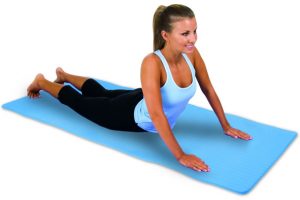
1. Pilates is a low impact exercise and it can help with conditioning the abdominal and back muscles. Pilates have been suggested as treatment for back pain. There are not a lot of studies available but those who are do seem to show positive results. They may also be beneficial in reconditioning your hips and upper legs. In rehabilitation for hip cartilage tears exercises which increase hip range of motion can be recommended. Often hip flexions sitting on a gym ball are also recommended. However, it does all depend on which stage of rehabilitation you are and what does your physical therapist will approve. Do not by pass them as you could cause more injury if not appropriate for this stage!
2. Static cycling and not in a high level could be good. Again do check with a therapist that they are appropriate for your knees. Moreover, you can try swimming or hydrotherapy if you can have access to it. Body weight resistance in the water decreases however, you still have the resistance of the water, so you can work out without putting too much pressure on your back, knees or hips.
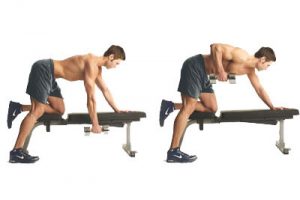
3. Static upper body exercises. You could do a variety of upper body static exercises given that you do not add pressure to your back. Things such as bicep curls, weight exercises for triceps, chest and shoulders should be safe as long as you perform them according to your level of fitness and ability, perform them correctly, and after a suitable warm up session.
One of the issues with home exercise suggestions is performing exercises correctly and to your own level. If you have access to a trainer, do ask them to show you how to perform the exercises to ensure you know the correct technique. Especially if you have previous injuries as they could be more harm if not at the appropriate level or technique. Sometimes it may be enough to have 1 session with a personal trainer who can shape exercises to a daily program and show you how to do them, and then carry on by yourself. Finally, with starting any new diet it is wise to check with a medical professional especially if there are any pre-existing medical complaints.
I hope this answer is of some help to your inquiry. If you have any further questions please do contact me.
The importance of a good breakfast for weight loss
May 27, 2011 by Hara Hagikalfa
Filed under Weight loss advice
One of the most common weight loss tips is about the importance of having a good breakfast every morning. Despite that many people still do not appreciate the benefits of having a protein rich breakfast. In this article we explain the role of breakfast in losing weight and provide you with 5 more tips on how to control your hunger throughout the day and also how to make small changes to your everyday diet and enjoy a healthier life.
Question: Hi. I am 16 years old, and in High school. i get up at 5:15 am every morning Monday through Friday. I usually eat breakfast at 6am. My lunch is at 11:30am, and i ALWAYS get so hungry, i end up eating my lunch in class!!! Are there some kind of foods i should eat for breakfast to help me stay more full longer? All i have for breakfast is a buttered bagel and a Cliff bar. Please help. I really need to lose weight. 5 pounds a year is NOT cutting it.
Answer (by Hara Hagikalfa)
Hello and thank you for your question and apologies for any delays in answering.
I must say that you do wake up very early and I am not surprised you are hungry by 11.30 am as it is a long time since 6 am. First of all you are still quite young and developing. Also from what I can see you wake up early and have a busy day at school. So you do need to make sure that you eat adequately and taking all nutrients. My first advice to you would be, don’t opt for low calorie, fad diets, you do need to look after yourself. Bellow I have summarised a few weight loss tips for your enquiry.
1. Protein based breakfast. Having a buttered bagel and a cliff bar will provide you with loads of calories and energy but to be honest there is not much nutrition to it. Basically what you are doing is throwing loads of sugar into your body 1st thing in the morning. You probably feel a bit bloated and really hyper for a while and then feel hungry, irritable burned out and a feeling that if you don’t eat you will drop, kill someone or cry. If you look into my article ‘Diet tips: carbohydrates and weight loss’ you will see in more detail why that happens. Now what can you do instead? Bin the clif bars highly recommended. Have a protein based breakfast. This is probably one thing that I recommend to everybody. Examples of protein breakfast are:
- Eggs (scrambled, boiled, omelette, not so good fried though),
- bacon or sausages (grilled not fried and try to aim for low fat sausages and of good quality either wise you could be eating just fat),
- Ham
- Cheese, yogurt
- If more taste adventurous smoked salmon, a tin of tuna (or fresh grilled)
You do have a busy day so do have a good breakfast. You could have 2 boiled eggs with a slice of toast and a couple of slices of bacon or ham. In terms of calories you may be eating the same amount as before but in terms of nutrition is much healthier and better for you. Also protein does make you feel fuller for longer and you will find that you will not be as hungry through the morning. I must warn you though that your body is used to eating high density carbs in the morning so it will miss it when you take it away and replace it with protein. In result you may have cravings of carb foods such as sugar, bread etc. Also you may feel tired at the beginning. Is normal, your body is not used to it and it needs time to adjust. I suggest starting on the w/end so you give yourself time to get used to the changes a little bit before going to school. For your body to adapt completely will take approximately 2 weeks but after the first few days you should feel more settled. In the long term you will feel more energetic and less bloated.
2. Have a handful of dried fruit and nuts mid day. If you do get sugar craving or you do feel peckish before lunch a handful of nuts or a fruit can help to curb it. Nuts are very nutritious and have a lot of the essential oils. However, don’t eat too many as they are rich in their calorie content. A handful should be enough. Alternatively have a fruit, such a banana. Bananas can be rich in sugar but I do find that they are very filling and one banana will not tip the scales over.
3. If you want to continue the good work through the day opt for healthy lunch and dinner. Avoid sandwiches, fried or processed foods through the day. You can look at my articles and previous answers I have given such as Diet Tips: The role of proteins in weight loss to get ideas of how to eat healthier and lose weight safer and healthier. Some suggestions would be to eat more salads and meat and eat fewer carbohydrates such as pasta, bread, potatoes, rice etc. You are young and you do need the energy and nutrition. Fruit and veg are full of nutrients so it is important to include them in your daily diet as much as possible. They also have less calories and help in losing weight or just not gaining weight. Don’t need to starve yourself or become obsessed with weight and calorie counting or watch everything you eat. Enjoy yourself as well.
4. Make small changes in your everyday diet. As I do not have more details on your food intake through the day I will give some general examples of how to make some changes. For example have a small bowl of pasta with loads of salad or veg instead of a large bowl of just pasta and bread. Have yogurt and fruit instead of a piece of cake or desert. Avoid drinking too many fizzy and sugary drinks such as coke, milkshakes hot chocolates etc; avoid snacking through the day. Have a big lunch instead of loads of little meals and snacks. Cut down on sugars, starches and carbs have loads of veg. salads, and proteins. I would not go to say have half fat milk or cheese as you are young and need it but do avoid as much as you can trans fats which can be found in fried food, some vegetable oils, processed foods and ready meals, crisps etc.(see also the ultimate list of fat burning foods)
5. Exercise. Will give you energy, increase calorie expenditure and is good for health. You are busy so you don’t need to do too much or you could be overloading yourself. Maybe walk to school and back if in walking distance instead of taking the bus. If time is tight then just do some activities in the w/ends such as go for a cycle, a run, clean the house or wash the car, go roller-skating with your friends. Alternatively just spend 20-30min in the house when you have some time to do a few exercises. If you are taking on exercises to do by yourself always make sure you know how to do them correctly and not injure yourself. Always stick to your ability and fitness level and recommended would be to get advice from a fitness professional. This could just be your PE teacher at school.
6. Finally other things that do help are having plenty of rest and sleep. It is very important for your age, health and development and for weight. If you do take on some exercise have one day at least that you do not exercise and rest.
Always consult a medical professional if you have any concerns or health complaints or have any medical conditions before making any changes in your diet or fitness.
Weight loss tips for men
May 28, 2009 by Alex Chris
Filed under weight loss tips
Ask a man over 18 years if he is following a diet. Three out of four will answer yes, according to a recent U.S. survey, and these results are not very different in Europe. The weight loss efforts are through, books, weight loss programs, diets, and many other weight loss tips that are promoted through the Internet and other media so as to provide weight loss tips for men and women to reach their desired weight. But even with all those weight loss tips, the Europeans and Americans continue to fatten. Today, almost 70% of the population in those continents are overweight (a BMI over 25).
What makes a weight loss diet successful?
The question you have to ask your self is the following: since almost all men follow a weight loss diet why to we continue to fatten; Ultimately what is important and what makes a weight loss diet successful is not how many pounds you lose or how quickly you lose it, but for how long you can kept the low levels. Unfortunately, surveys show that after a period (usually six months after the weight loss), the weight is slowly starting to reappear.
The gross return
Why is it so difficult for someone to finally avoid the regain of the lost weight? Give your attention to the following three weight loss tips: biology, environment and pressures of modern life.
Biology
The metabolism is programmed to take care for our survival in times of food shortage and usually works against you if you follow a weight loss diet. The metabolism becomes slower trying to preserve energy, in other words calories. When you are hungry, your body will not spend the same calories as before doing the same things. This result is to reduce the calories your body burns even more.
Environment
It is much more difficult to lose weight and keep it today than it was 20 years ago and because there are too many incentives to eat more and move less. The cheapest foods are often the unhealthiest. Physical activity has decreased due to various devices, but also because entertainment is often sedentary, such as television and computer games. Finally, do not forget the fact that the people making sedentary work have increased substantially, ie spend eight to ten hours a day sitting in an office.
Pressures of life
The weight control requires hard work. If you have other problems in your life like disease, too much work or fighting with friends, then the energy you have available for any situation (such as weight control and weight loss) is reduced. So you gradually return to your old habits.
A simple strategy
Those who have strong incentives, they manage not to get the lost weight back. The research that has been made so far about weight loss gives you a clear picture of what to do. Some of the most detailed information comes from a long-term US study. The study contains information on 3,000 people who have lost 14-45 pounds (on average 27 kg) and then maintained a stable weight for at least a year (on average five years). They lost weight using many different weight loss diets and programs. Those who managed to maintain and not regain the weight they lost had some common characteristics. Some of the weight loss tips they use were:
Exercise
The people who managed not to regain the weight they lost; on average they burn 2,700 calories a week by exercising. This corresponds to approximately one hour of moderate activity every day, for example walking 8 kilometres a week. The researchers believe that exercise is the most important factor for a successful weight loss. It is not clear if people who lost less weight are because they did not exercise as much. Nevertheless, a large part of the research shows that exercise is necessary to address the tendency of the body to regain weight. Without exercise, other efforts will have preliminary results. There are very few people who can lose weight and keep it without increasing the level of activity.
Self Control
The people in the study were very disciplined and had very good self-control. They used the scale regularly to control their weight and recorded what they eat on a regular basis. Self-control is very important because it allows for early warning in case there are changes in your weight. Also, it gives you the opportunity to take immediate action. This does not mean that you have to panic every time the scale rises a few grams. Just reminds you that if you increase the weight, you should have a specific plan to deal with.
It is believed that men can lose weight more easily than women due to the nature of their body and bone structure. Nevertheless a lot of men follow a weight loss diet because they are not happy about their weight. The above article presented some solid weight loss tips for men that can help is a healthy and safe weight loss.
Weight loss tips for women
May 17, 2009 by Alex Chris
Filed under Best Weight loss Tips, weight loss for women
For years, the word ‘weight loss‘ is synonymous with the feminine nature. From the grandmother, Mom, the big sister and you, many weight loss tips have become a trademark for women worldwide. But the case of weight loss is so innocent. There are some easy to follow weight loss tips for women that can help you lose weight in a fast, persistent and healthy way. This article presents 12 weight loss tips for women.
If you have tried everything and have not accomplished the desired result? First calm down!
Nothing is more powerful than your desire and nothing can stand as an obstacle to your weight loss efforts. The secret then is to first take the decision, and secondly to follow these 12 clever weight loss tips for women to help you achieve your objective:
Weight loss tips for women 1: You follow a weight loss diet without the supervision and advice of a responsible doctor or nutritionist.
Do not enter any weight loss diet without first taking the advice of a specialist. Every body is unique and has its own peculiarities and characteristics. This means that the diet that helped your best friend to lose weight fast may not have the same effect on you. When you choose a weight loss program, consider your weight, the state of your health, age and the type of work you do. Also have in mind that the exercises you will follow and the diet that will help you lose weight is unique to you.
Weight loss tips for women 2: You eat little or the wrong type of food
Forcing the body into starvation and the consumption of only one type of food (e.g. juice only) can be very dangerous for your health, since the lack of certain trace elements and vitamins leaves your body uncovered in a multitude of diseases. The same can be dangerous for example if you are a complete vegetarian. If you choose to become a vegetarian make sure that your body receives the necessary iron. Remember that the forced famine, may irreparably damage your health and to bring you near to nervous anorexia.
Weight loss tips for women 3: You cannot lose weight by diet alone
If you think you will lose weight through a diet only, this is a big mistake. You may lose some weight and you will get it back as soon as you stop the diet. Achieving a healthy body can be done by changing the sedentary lifestyle and also with a combination of healthy diet and exercise. Sports, find a hobby and generally not thinking only how to consume fewer calories, but how to burn more calories.
Weight loss tips for women 4: You combine weight loss efforts with a long lasting stress
Avoid stress. There are many women that when they are in a crisis of stress they are starting to eat what they find in front of them. Before starting any diet, analyzed the reasons that make you follow a weight loss solution, set a goal and combined the diet with forms of exercise that will help you fight the stress: yoga, Pilates.
Weight loss tips for women 5: Do not try to lose a lot of weight quickly
Do not try to lose more weight as you can in the least time. They only thing that you can accomplish is to substantially dry the skin after you lose all that liquids from your body. The loss of more than 3 pounds a month is considered dangerous for your health.
Weight loss tips for women 6: Do not follow more than one weight loss diets
Do not combine several different weight loss diets at the same time because one method may come in contrast to another. Then, if you follow a diet and stop to start another, it is very difficult to see results or to prevent them to occur. It is very important to follow a diet and sports program that meets your own individual needs and of course after the guidance of a specialist.
Weight loss tips for women 7: Do not eat “mechanical”
One of the major reasons that men are thinner than women is because they are NOT going to the supermarket and because they do not cook. The «forced engagement» of women in these processes entails more calorie consumption during food preparation. In a conducted research, it was discovered that the calories that women recruit during cooking, touch the 300!
Of course, we do not suggest that the solution is not to cook? Of course not! But certainly you can stop to eat carelessly, waiting for …the main meal. An easy way to avoid this is for as long as you are in the kitchen to chew a gum. This will prevent you from filling your mouth with other small delicacies.
Weight loss tips for women 8: Control your desires for sweets
If you think about it in most case you have a need for dessert, and usually the desert is ‘guilty’ for the many calories. To limit this habit and protect yourself, eat at every meal more protein.
Weight loss tips for women 9: Often measure your average
Because the clothes are now more resilient and waistbands tend to disappear it is more difficult to realize when your waist is growing. You only realise it when the stretch fabric starts to ‘protest.’ What you must do therefore is to have denim or some other non-elastic cloth as a measure. Once a month wear it and see the results.
Weight loss tips for women 10: Read the food labels
Any product that is labelled as ‘light’ or ‘diet’ does not mean that it is ideal for consumption and much more does not mean that it can help you lose weight. So you need to be careful and read the food labels carefully and note the percentage of fat and calories it contains.
Weight loss tips for women 11: Do not eat everything you might want
It is proven that women prefer much more fatty foods than fruits, vegetables and fiber. For this reason then try to avoid any extra burden to the state: rich sauces, and fried food.
Weight loss tips for women 12: Talk about your weight loss efforts with your partner
Ask your partner, friend, family or your trainer to help you and advice you about your weight loss efforts. Sometimes the impression that we have for ourselves is not consistent with reality. Ask someone you trust to tell you where you need to improve and seek proper help.
This article presented 12 weight loss tips for women. For sure weight loss is not easy especially for women. Good results can be achieved though with persistent effort, patience, a good weight loss diet and physical exercise.
To lose weight fast and healthy you need to understand how metabolism works
April 27, 2009 by Alex Chris
Filed under Diet
Many people believe that the reason they are overweight is due to their metabolism, which is slow. You many times hear the phrase: “It is the fault of my metabolism, which is slow.” It is a phrase we have heard or said many times, probably trying to explain or justify why, while we are not eating too much, we have a tendency to fatten! Is there any truth in the above sentence? According to experts, the metabolism (i.e. how many calories we burn) actually varies from person to person and is usually … faster in children, young people, people who exercise, men, pregnant women and those who have the genetic tendency to burn many calories. Nevertheless, even if you do not belong to any of the above categories, there are some secrets that will help you find out your metabolic rate and then make it your ally. Knowing how metabolism works you will be able to lose weight fast and healthy and not gain the weight back.
What is the metabolic rate?
The metabolic rate is the rate at which our body burns calories. It consists of the basic metabolic rate which is equal to the amount of calories the body burns every day to carry out its basic functions, namely for maintenance (it is therefore the energy we need to operate the lungs, heart, the vessels, kidneys, liver, etc.). It is obvious that the basic metabolic rate is not the same in all humans, since it is changing and influenced by other factors such as age, exercise, genes, and smoking.
Who have a faster metabolic rate?
People who exercise regularly: This is because the more muscular you are, the higher the combustion you body is doing, even when it is at rest.
Men: Since typically men have more muscle mass than women.
Fat people: A fat man, even if it is just fat and not well trained, needs more power to maintain his body than a man less bulky and or thinner.
People that have a genetic tendency to have a faster metabolic rate: That means that it is likely that two people who have the same weight and the same amount of muscle mass have different basic metabolic rate due to their genes.
Young people: Because the basic metabolic rate decreases as the years pass (about 300 calories per decade), mainly because people lose more muscle mass, but also because they tend to exercise less.
Children and adolescents: During the body development the energy needs become greater-and thus the basic metabolic rate is proportionally greater.
Pregnant women: During pregnancy, and later, when the mother is breastfeeding her baby, there are increasing demands for energy. This is because during pregnancy the metabolic needs of the baby are added and during breast-feeding there is the need to produce milk that is rich in calories. Also, women have faster metabolic rate immediately after ovulation, because there is a slight increase of progesterone.
In winter, the basic metabolic rate of all people is higher. Because of the cold the energy needs of our organization is greatly increased.
When does the metabolism increase?
In people suffering from specific diseases that increase metabolism, such as hyperthyroidism.
In people with fever.
In people with stress. It is true that acute stress generally increases the metabolic rate, because of the increased requirements of the body for energy. Instead, when the stress is chronic, it negatively affects the metabolic rate, making it slower due to the chronic hormonal disturbances caused.
For smokers, and those who consume substances such as coffee, tea, etc., which stimulate the sympathetic system and hence contribute to increased metabolic rate.
Exercise: The best way to increase our metabolic rate
The easiest and healthy way to make our metabolism faster is fortunately in our hands and not different from physical activity, and this includes both aerobic exercise (walking, jogging, swimming, various sports) and exercises with resistance (weights).
If we exercise we will have double benefits: We will increase our muscle mass (which would increase the basic metabolic rate, even in calm hours) and we will burn more calories during exercise. Also, you should know that there are two types of muscle fiber, the type 1 and type 2 – the type 1 muscle fibers are those that consume more energy (calories). Exercise except that it helps in the overall increase in muscle mass, increases muscle fibers especially type 1, which consume more energy (calories) even if we are calm. A minimum of 3 to 6 hours of exercise per week is the best. Through the day we can allocate the time devoted to exercise as desired, but also we can combine different types of exercise for maximum benefit: 15 walking in the morning, 15 evening and 15 running in the evening, along with exercises with weights.
How we can calculate our basic metabolic rate?
Women: B.M. = 655 + (9,6 x W) + (1,8 x H) – (4,7 x A)
Men: B.M. = 66 + (13,7 x W) + (5 x H) – (6,8 x A)
BM = Basic Metabolism, W = Weight in kilos, H = Height in cm, A = Age in years
Useful tips to increase your metabolism
Apart from regular exercise, which is the best way to increase your metabolism, you can also:
Consume tea and coffee, which are substances that stimulate the sympathetic system, thus increasing the metabolism. Except from this there are some drugs and certain substances that increase metabolism because they also stimulate the sympathetic system. Many of these substances are illegal in many countries (many belonging to the banned anabolic such as ephedrine and caffeine).
Avoid the chronic stress, as stress affects our metabolism and increases the tendency for abdominal obesity.
Follow a steady daily life routine, eat well, sleep well, because when the body gets ‘de-organized”, the metabolism becomes slower
Eat many small meals (6), because the process of digestion increases metabolism slightly and ultimately we burn more calories.
Prevent the deprivation diets (less than 1,100 calories for women, less than 1,400 for men), since they will lead us to gain more weight and to do our metabolism even slower. This is because the first weight you lose fast in deprivation diets is mainly liquids, then muscle and fat tissue, but later you regain mainly fat. So basically we gain more weight, have less muscle tissue (we lost it in the process of losing weight), and thus a slower metabolic rate, and also have more fat, which also leads to generally lower metabolic rate.
Understandings how metabolism works and by following the weight loss advice above you can greatly assist and accelerate your weight loss efforts.
The importance of a good weight loss program
April 18, 2009 by Alex Chris
Filed under weight loss
If you want to lose weight, knowing exactly how to do that is one of the keys to success. Whether you decide to follow a diet that contains significant changes in your daily routine, whether you decide to do several exercises a day, what you want is to lose weight fast. Sometimes there is an event or a date, you want to wear something specific, or may want to look slimmer. To know what to do to loose weight quickly is crucial.
It does not matter if you start a diet and exercises for the first or 100th time. The issue is that you want to learn how to lose weight quickly, so that you can get rid of the unwanted pounds and extra points. The good news is that there are many ways you can learn how to lose weight quickly. The key is to find the right weight loss program for your lifestyle, body type and your metabolism. Once you find this key, then to lose weight will be a simple routine.
Believe it or not, the nutritionist is the one you should ask primarily. The nutritionist will take into account how much weight you should lose, what weight loss programs you should follow to start to lose weight quickly and safely.
The good thing about this discussion is that he or she will help you avoid unsafe tricks that are often associated with rapid weight loss. You know the tricks how to lose only water from your body but does not teach you how to lose fat or how to maintain weight after slimming.
It is important to understand that while there are many weight loss programs that teach you how to lose weight quickly without exercise, the really good ones are those which include exercise and a fast diet. Why is it so important that the weight loss program includes exercises?
When the weight loss program includes slimming exercises these accelerate your metabolism. This in turn means that you burn fat faster and more regularly. It also means when you will reach the weight you set as a target, which will keep the weight at the levels you want and that you will have a much healthier body.
Sometimes the pressure to lose weight fast can be a traumatic experience. Try to avoid the pressure that comes from the short-term trials of weight loss. You can do this by cultivating normal good diet and healthy lifestyle on a regular basis. Then, when these special cases will occur you will be in better form to reach your goals.
Do not blame yourself if you can not keep your weight in the most optimal condition at all times, because there are ways that can help you lose weight quickly when needed. The most important aspect is to respect your body. It is important for you to understand that you have only one body, which you should take care as best you can.
Learning how to lose weight quickly and correctly is a lesson that provides benefits and rewards that last a lifetime.
When you follow a bad diet, then you will see the scale to go up due to fluid retention. Try these weight loss tips, to lose weight in a few days.
Choose the right menu
Consume foods that help digestion and elimination of liquids, such as yogurt, cereal with fiber, brown rice, cabbage and radishes.
Eat enough calories
Following a diet with too few calories can cause fluid retention. Try to consume at least 1,500 calories.
Hide the salt
The salt is known to cause fluid retention. It is not enough of course not to have salt at the table, but avoid foods that have a lot of salt, such as sausages, olives, salted nuts, crisps, sausages, cheese, ketchup and mustard.
Attention to sugar
It increases levels of insulin, which reduces the ability of the body to dispose of ash. Avoid as much as possible sweet and cereals with a lot of sugar, cakes, biscuits and chocolate milk.
Exercise
Training four times a week to help the body to remove extra fluids and sodium through sweat.
Drink water
Although it seems contradictory, drinking plenty of plain water (8-10 glasses a day) will help the elimination of salt (sodium) and fluid from the body. A body that is well hydrated is less likely to fluid retention.
Small meals
Eating five or six meals instead of two or three will help you remain hydrated and full and avoid the influx of fluid in the tissues, which occurs with large meals.
Tips for Effective weight loss and how to avoid the yo-yo diets?
April 12, 2009 by Alex Chris
Filed under Diet
You have just ended your weight loss diet, you had a difficult time but had immediate results: Lost 6 pounds in 2 weeks … Now you think that you can start eating normally like “a person” and you do not need to continue the gym, since the weight loss objective was achieved. Attention! If you do that, then in less than 6 months you will probably get all the weight you lost and maybe 1-2 more. Most importantly, if you start the weight loss diet again, which is the most likely, it will be more difficult to lose your unnecessary weight … The scenario just described, is knowledgeable to people who are trying to lose weight and see that, while they lose weight at the beginning, after a while they get their weight back, which turns them to start a new diet, so the vicious cycle is perpetuated. This is the «yo-yo phenomenon», and because of that it is difficult to maintain the new weight after the diet. This article provides tips for effective weight loss and explains what is the Yo-Yo phenomenon and how to avoid it, so as to break the vicious cycle of changes in weight.
The yo-yo phenomenon, known as «recycling» of weight loss concerns weight loss and the weight gain. These changes in weight may be small (around 3-5 kg each time), and larger (e.g. 10 or more kg). In the latter case, the recurrent weight fluctuations affect not only your mood but also your health. Although not all studies agree on the consequences of «recycling» of weight on health and the precise mechanism of this phenomenon, but some of them indicate that increases the risk of developing hypertension, even when they concern «recycling» just 5 kilos. Also, some studies associate the yo-yo phenomenon with the weakening of the immune defence system. In other words, the experts tend to come to the conclusion that it is better to maintain your weight, even if this means having a few extra pounds, rather than going through rapid weight loss and regain the weight later.
What is the problem with weight loss diets?
The wrong choice of weight loss solutions may be the main reason for the Yo-Yo phenomenon. In other words, the change of weight occurs mainly when the deprivation diet is very strict and is aimed to lose weight fast. The nutritionists point out that the rapid weight loss makes us more prone to the rapid reinstatement. Why is this? Because when you lose weight fast (more than 1 kg per week), then the largest «victim» of weight loss is muscle tissue and fluids of our body. The more rapidly we lose weight therefore, the more we lose muscle tissue. Conversely, the loss of fat is less than 70%. If for example we loose 10 pounds, then we will lose substantially less than 7 pounds of fat. On the other hand, loss of muscle tissue is around 10% (the percentage very roughly corresponds to half a kilo of muscle and is considered very high). The muscle tissue is necessary to maintain the basic metabolic rate (i.e. the calories we burn for the normal operation of our organism). The more undernourished are the muscles, the fewer calories we burn. So, if the combustion of the body is reduced, it is more difficult to maintain weight and this increases the chances of re-gaining the lost weight. Moreover, deprivation diets undermine the effort to maintain the weight in another manner. Because they are strict diets, after we have completed them we have the strong desire to eat what was «forbidden» by those diets. The custodial syndrome created increases the consumption of foods, particularly those rich in calories and fat, leading quickly to retake the lost weight.
Why after a weight loss diet you end up with more fat?
When you get back the lost weight after a fast and miraculous weight loss diet, the scale again shows you 10 pounds heavier, but with one important difference: this time we have more fat (for example, while we lost 6 pounds of fat and 4 pounds of fluid, now we have “gained” more than 7 pounds of fat). As experts explain, when the body is re-gaining weight it tends to store more fat than the quantity lost initially. In other words, the composition of our body weight is changing. Accordingly, each time we recover the lost weight, we increase the percentage of fat in our body. Indeed, according to surveys, it appears that fat is increasing in the abdomen, which is associated with greater risk of heart disease and diabetes. This phenomenon makes any subsequent effort to effectively lose weight more difficult because fat burns very slowly.
How to avoid the yo-yo phenomenon?
Five steps to avoid the yo-yo phenomenon:
1. Start slowly with small weight loss. When you start a weight loss diet set a target to lose up to 1 kilo per week (or, more accurately, 1% of our weight per week and no more). Obviously, this target excludes deprivation and strict diets.
2. Gradual reduction of calorie intake. It is recommended to gradually reduce the calories we consume, so that our organism does not consider that you are undernourished (in this case the reaction of our body and if it seems strange, is to protect the fat … and to «burn» the muscle tissue, because of course it has already exhausted the reserves of carbohydrates). Through the gradual reduction of calories, we are thus protecting some precious muscle tissue (if you find this step difficult, you can seek the help of a dietician).
3. Follow a diet without bans. It is very important that the diet does not prohibit the consumption of any food group. In this way you avoid the custodial syndrome, which can lead to regain the lost weight.
4. Physical Exercise. Exercise during diet protects and strengthens the muscular system by preventing a significant reduction in the basic metabolic rate. Of course, this does not necessarily mean that we should go to the gym. Any type of physical exercise that increases heart rate and stimulates the muscles is welcomed (eg walking, cycling, swimming). The most easy and practical is to walk in a quick pace for 30 minutes a day. Indeed, the combination of diet with exercise is considered the secret to maintaining the new weight. Practically, this means that we need to continue physical activity even after the diet; we need to place it in our daily routine.
5. Regular weight control. After completing the diet, you should manage your weight on a weekly basis (not necessarily in the scale, but also with our own clothes, for example, if you squeezed to enter your jeans, whereas before it was more comfortable). The objective of self-control is to «avoid» gain weight beyond the reasonable limit of about 2-3 kg. If this happens, then we must go back to a more careful weight loss solution, until returning to the desired weight.
Some facts why weight loss diets fail:
90% of those who re-gain their weight after a weight loss diet, ie those who fall into the trap of the Yo-Yo phenomenon, make similar nutritional mistakes:
They are starting to eat like before the diet
They forget breakfast
They eat many fatty snacks between meals
They do not eat fruits and reduce salads
They stop any physical activity.
Conversely, those who manage to achieve effective weight loss typically they combine a weight loss diet with physical activity but most importantly they continue to consciously watch their diet and exercise consistently.
How to burn fat with food
March 24, 2009 by Alex Chris
Filed under Diet
Weight loss tips that can help you burn fat with food and healthy habits
The weight and fat loss processes are not easy to follow. The products that promise miracles have failed and all roads point that the best way for weight loss is intense physical exercise and a balanced and careful diet. Rather than spend your money on dozens of fat burner supplements marketed in pharmacies and promise quick fat burn, you can get a taste (literally and figuratively) on how to burn fat using food. There are some types of food that can help you lose weight free of charge, healthy and without any side effects.
Burn fat with Pears
Why we need to eat pears: According to a study by the University of Rio de Janeiro, the addition of fresh fruit in our diet cuts the appetite, reducing the total number of calories consumed daily. In a survey made to women who consumed 3 pears a day, showed that they were getting in overall less calories every day, and thus losing more pounds than those who did not consume pears. Pears are also rich in dietary fiber (15% of SIP); they «fill» the stomach and prevent us from eating more than we should.
How to Eat: Eat a pear before each meal to reduce hunger. You have to remember that the greatest amount of fiber is found in the bark.
Burn Fat with Grapefruit
Why we need to eat grapefruit: According to recent surveys in the Scripps clinic in California, eating half a grapefruit before each meal can help you lose up to a pound a week. This «traditional weight loss” fruit really helps to reduce fat and cholesterol, mainly thanks to a special fiber pectin associated with fat burning. It is also rich in vitamin C and potassium and contains no fat or sodium. Finally, it contains natural Emulsifiers fighting fat and cholesterol.
How to eat: You can try it with cinnamon, which reduces the bitter taste without adding sugar.
Burn Fat with Beans
Why do you need to eat beans: The beans are full of a special starch, called resistant starch (about 10gr per cup), which has strong fat burning action. If you add to your diet one meal a day it will help you “burn” up to 25% more fat than usual. These finding were the results of research by the University of Colorado.
Burn Fat with Almonds
Why do you need to include almonds in your weight loss diet: eating a handful of almonds a day can help you lose fat in a healthy diet, according to recent research. People, who ate on daily basis almonds for six months, lost 18% of their body fat. Those who followed a diet with the same amount of calories and protein, but replaced the almonds with carbohydrates of the same caloric value, lost only 11%.
How to eat: You can easily eat them to the office or on the street as a snack or even to combine with yogurt or honey.
Burn Fat with Chocolate
Surprisingly as it sounds, chocolate can prevent the accumulation of fat cells in our body. Do not hurry to be delighted and run in a kiosk and buy all sorts of chocolates. We refer to black chocolates, as this only chocolate type has beneficial properties for the loss of fat, according to research from the University of Taiwan. Add sparingly in your diet (without exaggerations) and benefit from the action of antioxidant substances.
Serving suggestion: Melt 30gr. of black chocolate in microwave for 30 seconds and then spread on a total milling cracker (approximately 98 calories).
Burn Fat with Green Tea
Why you need green tea in your weight loss diet: The green tea contains ingredients that benefit health and fight obesity. Modern research has shown that tea has anti-inflammatory and diuretic properties, which are mainly due to high rates of flavonoids it contains. It is ideal for a weight loss diet since it helps in reducing hunger when consumed regularly. Systematic tea consumption increases the energy expenditure of the organism, «burns» stored fat by enabling combustion within the metabolism. Changes also the distribution of fat and reduces fat located in the abdomen.
Other fat burning tips with food:
Among the top fat burning foods is also vinegar and lemon. The combination of vinegar and lemon is the best “possible” fat burner. If you combine it with a fresh green salad rich in antioxidants and add one-tablespoon of olive oil (rich in omega-3 fatty acids) then you have a full meal, which boosts the fat burning process.
Caffeine has diuretic and thermo genetic properties, greater than green tea, helping to burn fat faster. But it must be consumed in moderation and special attention should be taken because in large dose may have several side effects (tachycardia, increased pressure, headaches, etc.)
Peanut butter and weight loss: Peanut butter is also good for weight loss! Why? It is full of protein and fiber, which keeps your stomach full longer and reduces the need for fatty sweets!
Finally, the magic liquid that dissipates the fat without any effort and is free and for now – inexhaustible is Water. Water is the most important catalyst in weight loss and maintenance. The body does not function properly without enough water and cannot metabolise fat efficiently. Drinking plenty of water during the day avoids fluid retention in the body and helps the functioning of the kidneys and liver. On average, a person should drink 8 glasses of water a day. This amount varies depending on the weight of the person, levels of exercise and other environmental factors (heat, humidity, etc.)
Weight loss tips for a fast weight loss
Drink fluids
The first thing to do when you wake up in the morning is to drink plenty of water. Many times half the weight you gain in times that your weight is increasing is due to fluid retention in the body. The water will help your body to remove the extra liquids. Set a target to double the consumption of fluids. Remember that the extra fluid need not be derived from clean water. Fruit juices, milk, fresh fruit and vegetables, soups are doing the same job. Finally, pay attention to how much salt is contained in the food you consume as this affects the levels of fluid retention.
Do not follow drastic measures
The first solution that comes to your mind after a period where you eat more food than expected is to follow a diet very low in calories. Wrong. This would confuse your metabolism, leading to other problems. The best approach is to decrease gradually the amount of food you eat, focusing more on increasing protein intake. These will give a boost to your metabolism, «burning» more calories.
Exercise with weights
The training with weights at the gym is suggested in periods where you eat more than expected. Sometimes it is more effective than to spend hours on the treadmill or running. This is because it is based solely on the storage of glycogen in the muscles. If the food you eat were rich in carbohydrates such training will help you use them. If you choose on the other hand, the cardiovascular exercise (running) your organism will not burn as many calories as in training with weights, or continue to burn calories after the end of the exercise. You can read more information at 28 weight loss tips with exercise.
Avoid alcohol
Since alcohol contains not only «empty» calories, but it may also affect the proper decision making regarding food, try to avoid it for at least two days to recover fully. If you want a drink at all costs, drink only one.
How to prepare your self for a period that you may eat more than expected
Now if you intend to eat more than the usual, either because of a holiday or party, then there are some things you can do to prepare properly and to reduce the chances to get extra pounds. First, if is possible try to go to the gym prior to that, and make a fairly intense workout with weights. This will reduce glycogen in the muscles resulting in the absorption of as many calories as possible by the muscles.
This article outlines ways on how to burn fat with food and also explained what you need to do to protect your self from gaining extra weight during the holiday periods or periods that you usually eat more than expected.